A Small Island, a Big Idea: Bitcoin on Alderney

“Bitcoin offers a range of potential benefits for small jurisdictions such as Alderney. It could provide new opportunities for diversification, innovation, and attracting digital entrepreneurs”
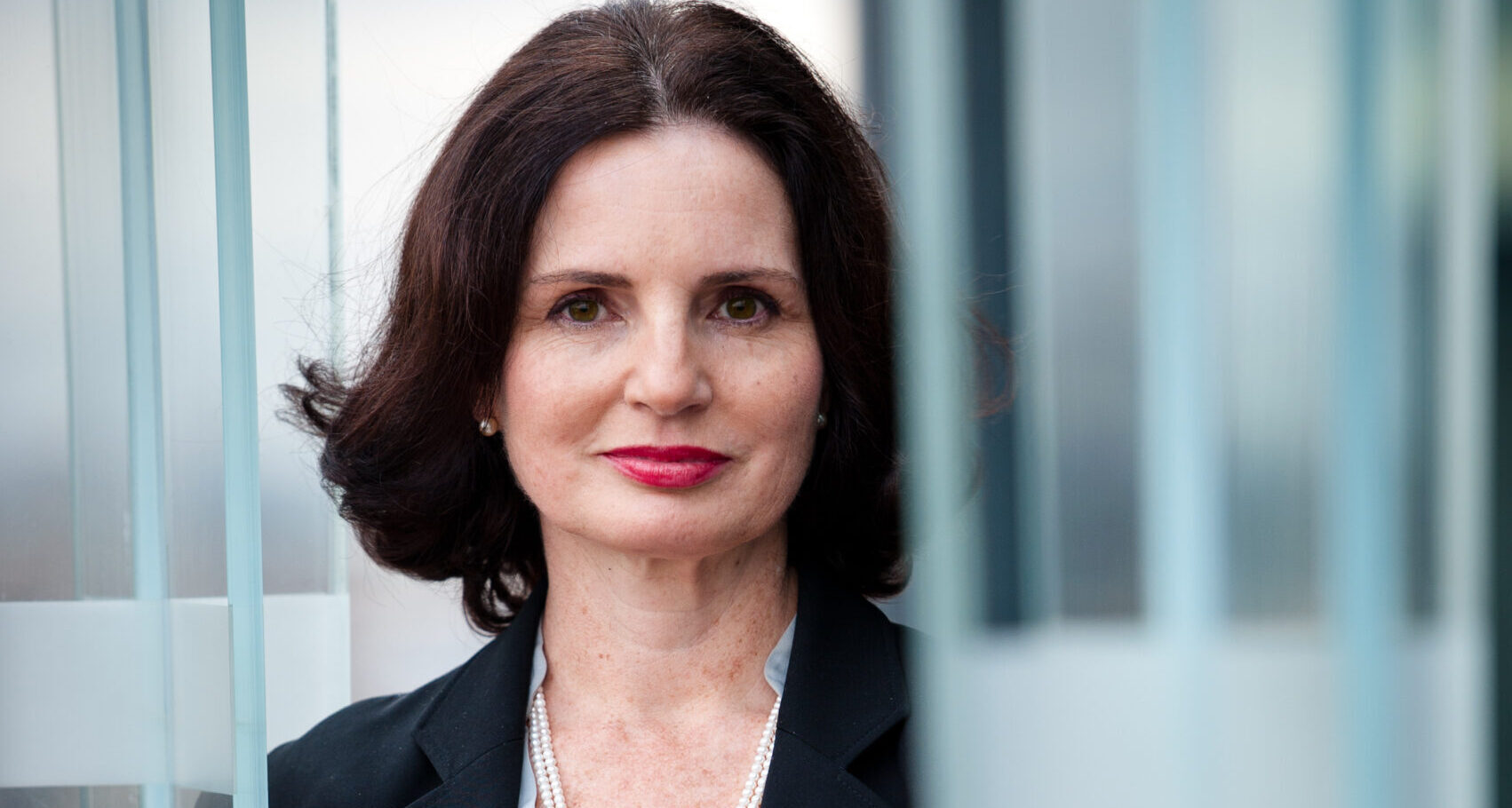
About the Author: Jeannie Cameron
Jeannie Cameron is a Member of the States of Alderney, elected at a by-election in March 2025. With a strong background in public policy, regulation and emerging technologies, Jeannie has worked internationally in advisory roles focused on evidence-based regulation, compliance and digital innovation.
Her particular interest lies in the intersection between technology, economics, policy and law including how digital currencies and blockchain can shape future economic opportunities and regulatory challenges. Jeannie has written widely on innovation and evidence-based policy and continues to contribute to discussions at both local and international levels.
This article was adapted from Jeannie’s original piece in the Alderney Journal.
Important Note
The views and perspectives expressed in this article are Jeannie Cameron’s own and do not represent the views or policy positions of the Alderney Enterprise & Technology Hub.
The Hub is publishing this content to help islanders access clear information on digital developments and to encourage informed discussion around emerging technologies.
What exactly is Bitcoin and why is Alderney taking an interest?
By Jeannie Cameron
Alderney participated in the Global Bitcoin Conference on 13/14th November in Amsterdam. Participation has helped put the island on the global stage for excellence and innovation.
But what is Bitcoin? Some people use it for online transactions, while others see it as an investment opportunity. And some businesses have started accepting it.
In the simplest terms, Bitcoin is an electronic currency — a form of money that exists purely in digital format. It is not issued or controlled by any government or central authority.
Bitcoin is a peer-to-peer payment system that allows people to send and receive money over the internet directly without the need for a trusted third party such as a bank.
The system works on the principle of a blockchain — a public ledger that records every transaction ever made. This ledger is maintained collectively by a network of computers (“miners”) that validate and verify each transaction.
How does it work?
Each Bitcoin transaction is recorded permanently in the blockchain and is publicly viewable, though the identity of the people involved is encrypted.
Bitcoins can be obtained in three main ways:
- By purchasing them with traditional currency through online exchanges.
- By accepting them as payment for goods or services.
- By “mining” — using computer power to solve complex mathematical problems to validate transactions and, in return, receiving newly created bitcoins.
At its heart, Bitcoin is simply a form of money. However, unlike traditional currencies, it is not backed by a government or physical commodity. Its value is determined purely by supply and demand.
When Bitcoin began in 2009, its value was almost negligible. Since then, its price has soared — at one point exceeding £1,000 per bitcoin. Prices fluctuate dramatically, and some people see it as a speculative investment rather than a stable currency.
Why is Alderney interested?
Alderney already has a reputation for being innovative in financial services and is considering the potential benefits of digital currency.
The GFSC (Guernsey Financial Services Commission) regulates Alderney’s banking, insurance, and investment industries, and would likely have a role in overseeing any Bitcoin-related activity in the island.
Bitcoin offers a range of potential benefits for small jurisdictions such as Alderney. It could provide new opportunities for diversification, innovation, and attracting digital entrepreneurs.
Alderney’s small size allows for regulatory flexibility and agility. Guernsey provides strong and reputable oversight, and the belief is that Alderney could position itself as a well-regulated hub for digital finance.
However, there are risks. Bitcoin’s volatility and its reputation for anonymity raise concerns about its use for money laundering and illegal activities.
If Alderney were to become involved, it would need to ensure that any activity is properly regulated and transparent to protect its own reputation and investors.
Nevertheless, Bitcoin’s growth and the increasing attention from governments and financial institutions worldwide suggest that digital currencies are here to stay, and Alderney is right to explore its opportunities.
What is the Problem? By Joe Bryan, uses a unique and engaging story to demonstrate how the root of most of our problems lies simply in the quality of our money. Accessible to everyone, everywhere, this video connects the dots between today’s challenges and their root cause, introducing the solution: Bitcoin.